

A Level Physics Guide
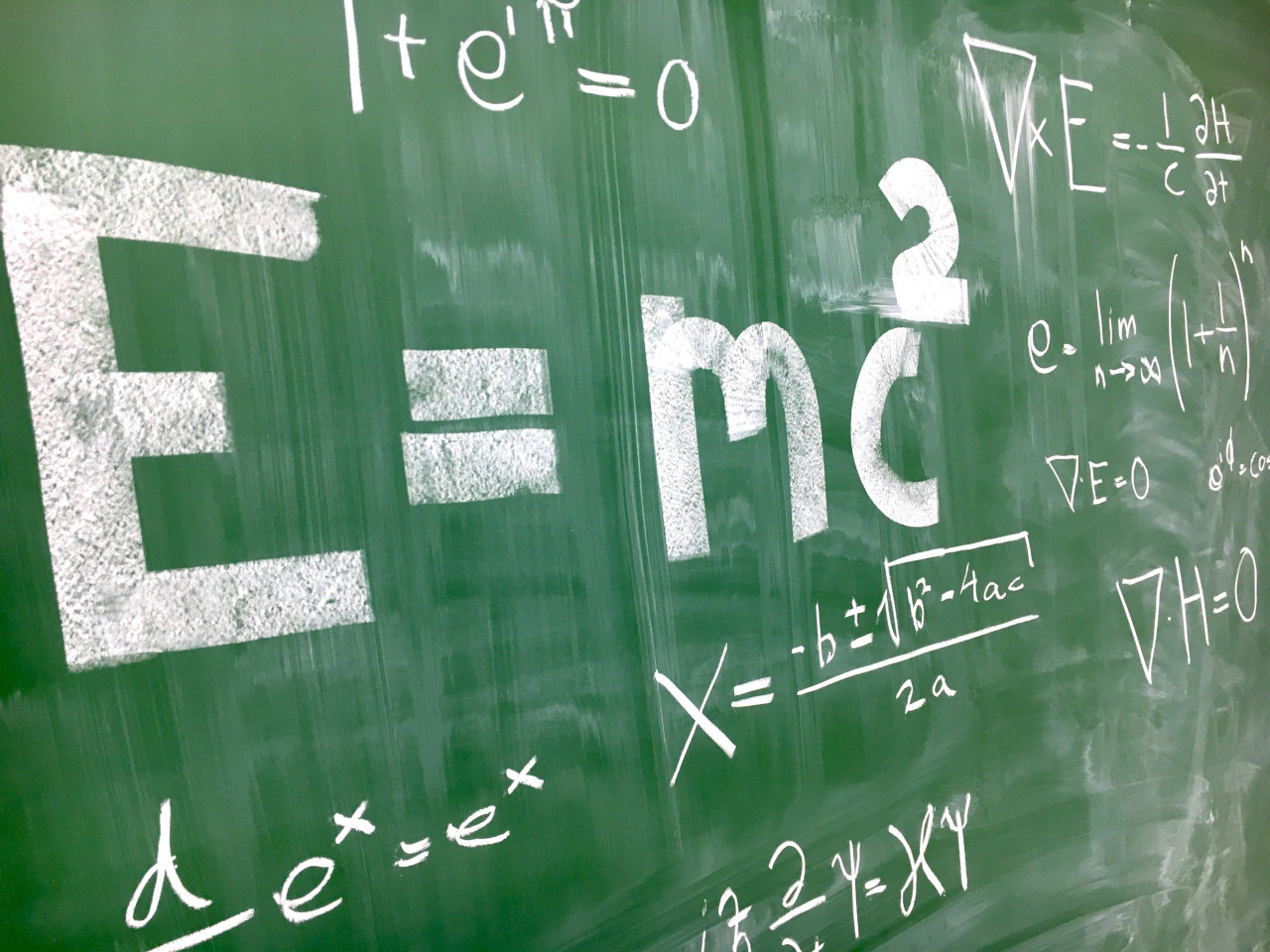

Physics is all about taking observations of natural phenomena present in the universe and attempting to hypothesise laws that can describe this behaviour. The simpler and more elegant each law is, the better. Also, the more phenomena that each law describes, the better.
The idea is to condense all the observed behaviour of the universe into as few elegant laws as possible. Physicists will then devise experiments to test those laws, and can improve them based on the results. A level physics teaches you to do just this – while you (probably) won’t be making any new discoveries or rewriting any physical laws just yet, you will be learning how to do experiments rigorously, and testing a few already-established laws for yourself. You’ll also be learning to describe the physical phenomena that are found across the universe.
Mathematical skills are, of course, important for physics. However, the amount of maths required for A level physics is actually quite small and if you coped with GCSE maths then it won’t be a problem. You should also have been comfortable with physics at GCSE if you want to take it at A level. A level physics is vital for many physical sciences courses at university and is helpful for maths too. The mathematical skills it uses also lead nicely into many careers such as engineering and software development. However, taking A level physics does not rule out an arts-based job or university course; physics can complement arts subjects nicely.