
Will AI Ever Replace Tutors?
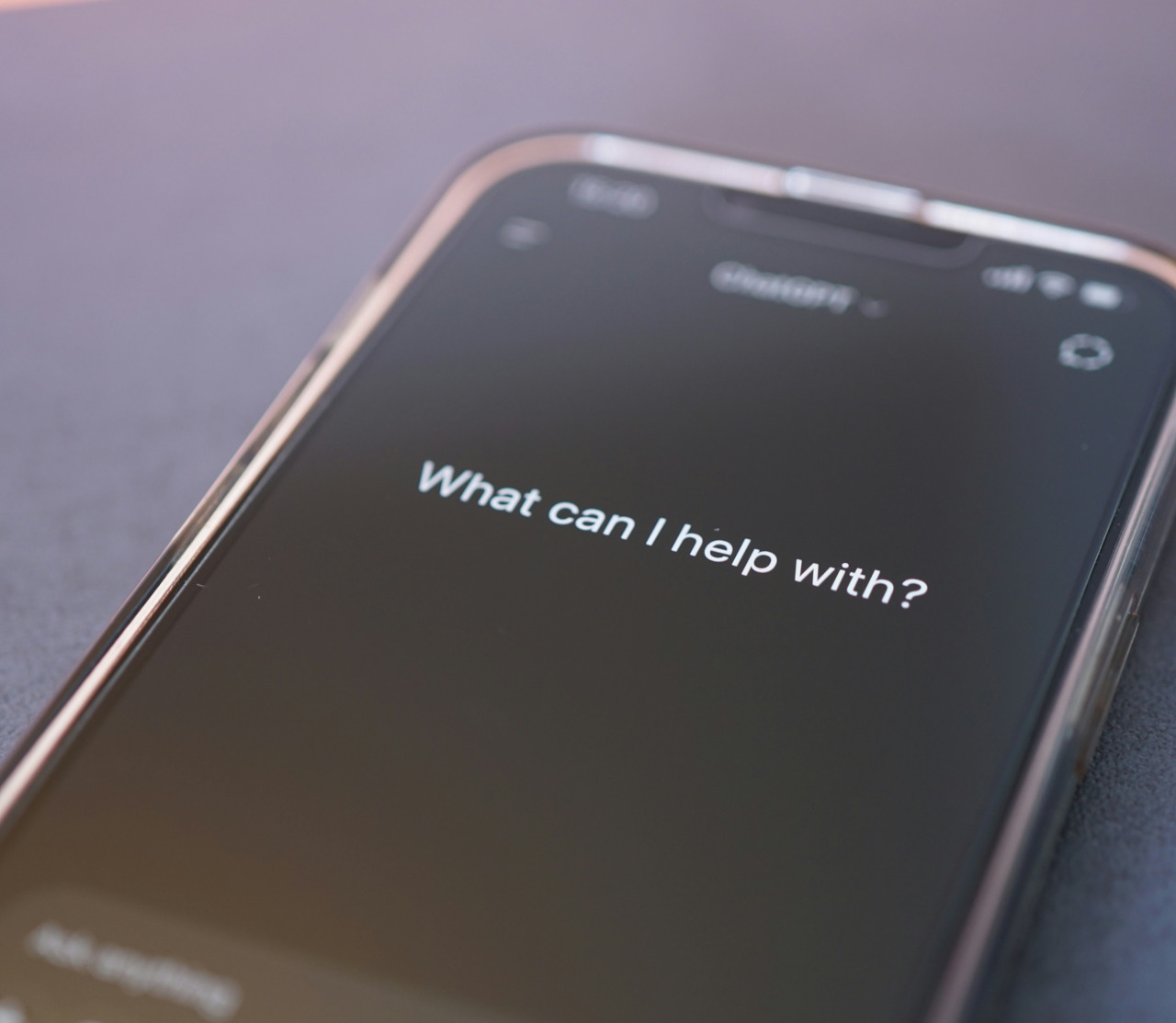
A student is revising at midnight before an important exam and needs help, where do they turn? The same place as all of us in 2026, their preferred AI client, for a quick, probably correct, response almost instantly. So why do human tutors still exist when we all have access to this incredible resource?
Something we've all heard recently is the phrase "But AI got it wrong!", maybe followed by "And then it admitted it was wrong and said, sorry!", but let's face it, this is becoming rarer; AI clients aren't just more capable than a year ago, they're also still improving remarkably quickly. The issue revolves around the connection between a student and their tutor which is at the heart of how we learn. New technology has always transformed the education sector, but complete replacement of teachers and tutors is far more complex.
A machine is available 24/7, ready to help whenever you need it. Its emotions and patience don't change depending on whether it's had a good night's sleep or enough coffees to keep it going, and every tutor will tell you that they have been frustrated during lessons sometimes. AI has dramatically improved at adjusting to each student's pace and learning style, and can almost instantly analyse all previous data for a student to decide on the next best learning goal for them. Many popular education platforms, such as Duolingo, have tapped into this and can provide their services at a fraction of the cost of a private tutor.
When a student or their parent gives feedback on a tutor it is never limited to the nuts and bolts of the material which was covered; the tutor's personality is always an important aspect for the family and what they do for the student reaches beyond what AI is able to provide. In fact, one of the main concerns for our society today is the psychological effect on young people from spending so much time interacting with machines. When students are anxious about their learning, low on confidence and when there are external factors affecting their emotions, a human being is much better at understanding the necessary approach to create a positive learning environment.
Tutors learn to be creative and adapt in lessons. If one approach isn't working, how can they help the student to view things from a different angle? Metaphors, experiments, changing the subject, taking a break; tutoring is more nuanced than: what is the next topic to be learnt.
A tutor tends to have a lasting impact on every student they tutor. Every experienced tutor realises that they become mentors for those they teach, offering career guidance, life advice and providing a role model. It means that students work harder because they feel that anything less would break the bond of trust between them and their tutor. A machine doesn't create this same kind of accountability because, once the screen is off, the student feels no lasting attachment.
A Hybrid Model
A frequent discussion with tutors since Covid is how they quickly realised a huge advantage of online tuition was the ability to introduce any of a number of digital learning aids to help their lesson. This might be a guide to how human tutors and AI will work together as we move forward. Rather than replacement, maybe we should be looking at how AI can augment a tutor's lessons, making use of the data and analysis at which AI excels.
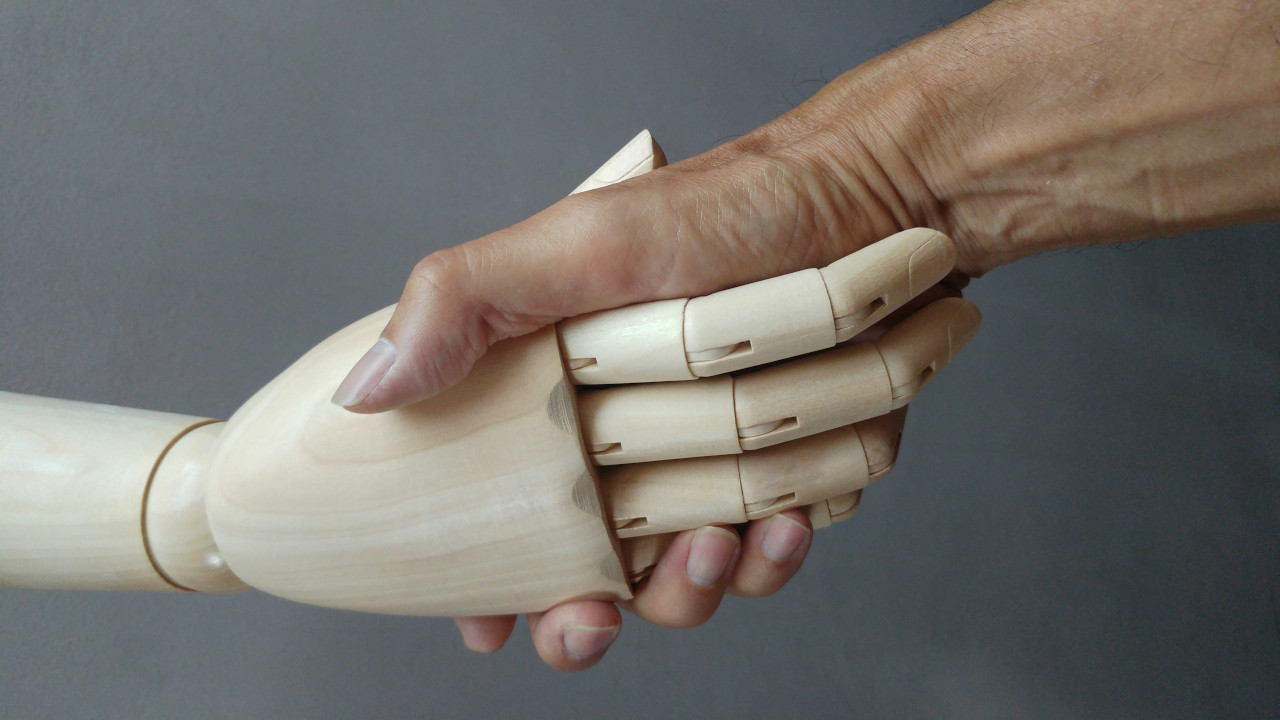
If a tutor decides that a student needs to practise a number of similar questions, AI can write as many as needed while the tutor focusses on the student's approach and what they might be misunderstanding. In between lessons AI can highlight a student's previous weaknesses and create a report for the tutor to decide how much time and energy to dedicate to each topic in future. This is particularly useful during the exam periods where time is so limited and students want the best improvement per hour spent revising.
At Blue Tutors we have always emphasised the importance of tutoring properly in line with Tutoring Standards Pedagogy, not lecturing. The aim is to create better students, students who are better at learning themselves, not simply to give answers to any question asked. What will AI's approach be to helping the students of the future? Learning is difficult and a machine that answers any question a student has is very attractive and instantly gratifying, but not the best way for a student to learn. We have no doubt that there will be AI clients built to create better students, but will they be more popular than the quicker easier solution?
Whatever we decide about the ability of artificial intelligence to teach us, a wider question is whether we're comfortable putting our children's education in the hands of computers. Is it ethically right to allow young people to form bonds with AI and not build the same human relationships which have existed for the history of humanity? The reality is that technology changes society all the time and that's not going to stop any time soon, but maybe it's important to remember the intangible effects from socialising with each other in all walks of life.
We are definitely moving towards an era where tutors will be important as role models and mentors, but also to deliver lessons in creative, imaginative and empathetic ways which AI clients can't do, at least not for now. However, the availability, scalability and analytic skills of AI mean that it will never drop the ball and will become an increasingly valuable resource to keep students on track in the time between lessons with their, human, tutor.