

How to Listen to Jazz: a Beginner's Guide
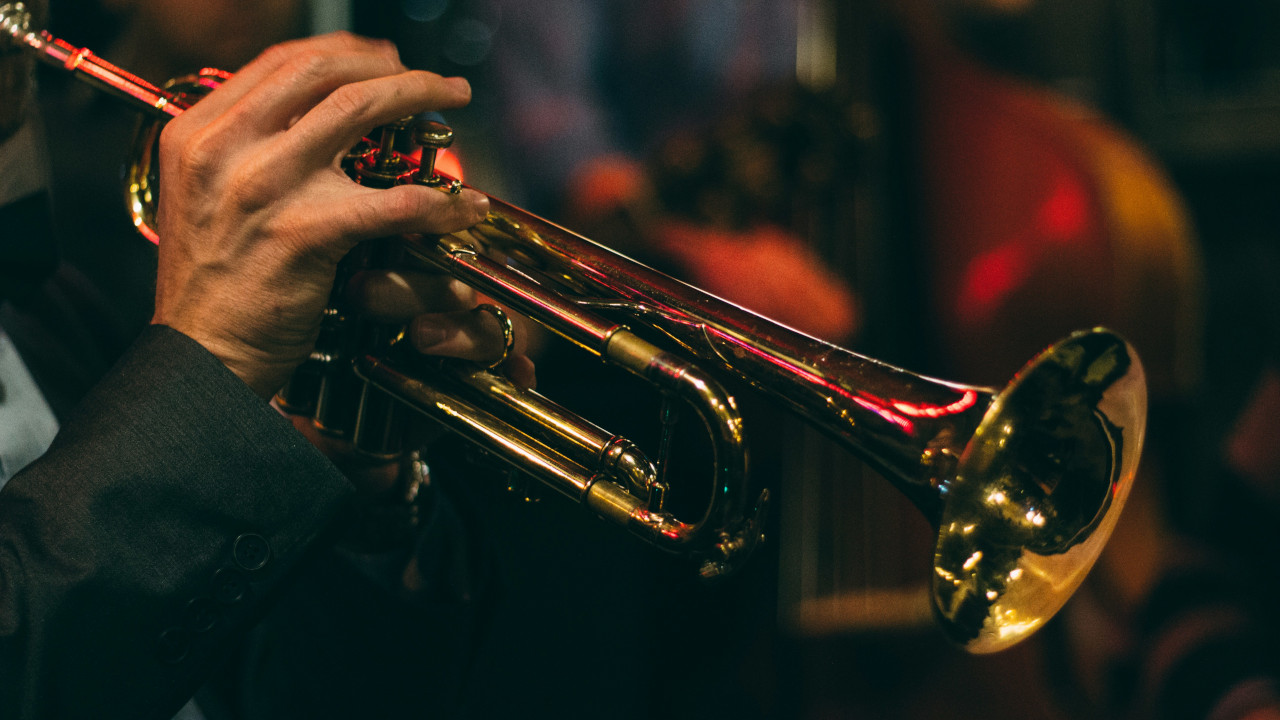

To those unfamiliar with it, jazz music can seem confusing at first. There are often many things happening at once, and the music is often not pretty or sweet-sounding. Remember that jazz musicians are usually focused on improvising and tend to value originality and spontaneous creativity over highly-polished performances. Therefore you will sometimes hear musicians attempting to play difficult ideas and sometimes they might not even work! The best improvisations, however, sound confident, in control, and balance melody, harmony, rhythm, texture and originality.
Strategies for listening to jazz improvisation
As you listen to a piece of jazz or music containing improvisation, try each of the following listening strategies:
Let the overall sound wash over and through you. Do you think the soloist is trying to convey a particular emotion? Does the music create any pictures in your mind? Do these change or stay the same? Is there a story to the music? How do they create this feeling?
Listen closely to one particular instrument at a time. Start with the bass, then the drums, then the piano or guitar, then finally the soloist. Do they play the same things over and over or are they constantly changing? Can you hear them responding to the other musicians or are they in their own world?
Imagine the music as a series of layers happening at the same time - the drums provide a rhythmic layer, the bass and piano provide the chords and more rhythm, the soloist draws lines across the top etc. If you were to draw these layers across the page like a landscape, what would it look like? Would it be smooth and flat? Would it be jagged and mountainous? How would it change through the music?
Listen to the soloist’s improvisation as if it were a pre-composed melody. Are there parts of it which are ear-catching? You are unlikely to remember the whole solo in one (or a few) listening but are there any bits which stick out as being memorable or singable? If you listen to a few recordings by the same musician can you hear similar bits of melodies in different solos?
Sing or hum the original melody to yourself during the improvisation. Can you hear how the harmony of the song matches (or is different) from the harmony played during the solos? Does the soloist use bits of the melody? How is the solo different from the melody?
Try to hear every note the soloist plays. This may be difficult at first as some improvisations are very rapid and contain a lot of notes. Listen repeatedly and try to learn to sing along as best you can to the improvisation.
Key Terms
Head or tune: the main melody of a song. Often in AABA form.
Solo or blowing: when a musician improvises and is the focus of the music.
Changes: the sequence of chords which go with the song melody.
Chorus: when you have played all the chords of a song in sequence, you have played one chorus. Solos often are played over multiple choruses - the sequence starts again after the last one ends.
Comp: pianists and guitarists play the chords of the song but improvise rhythms and voicings.Walking bass: when bassists play one note every beat, usually in a step-wise fashion.
Measure or bar: the division of the beat into equal groups of 4, 3, 2 or other numbers.
AABA form: a song structure which has the same (or very similar) music twice, followed by something different, then the first music as well. Very frequently each section is 8 bars long, so the total form (or chorus) is 32 bars long.
12-bar blues: another very common form in which each chorus is 12 bars long and consists of a particular set of chord changes. Often has a call-call-response melodic form.
Syncopation: rhythms with accents off the beat.
Intro: a bit of music played before the head starts. Not usually included in choruses.
Outro: a bit of music played after the head ends. Not usually included in choruses.
Vamp: a bit of music which repeats over and over, usually on only one or two chords.
Hits: short, rhythmic interjections, often syncopated, played by the drums or any instrument.
Fills: miniature drum solos which add excitement and help to describe the structure of the song.
Rhythm Section: any combination of piano, guitar, bass and drums. These musicians’ main role is to establish the pulse/beat of the music and provide the harmony/changes.
Voicings: how a pianist or guitarist chooses to spread the notes of a particular chord over his/her instrument.
A Typical Performance
Jazz musicians very often use standard songs as a starting point for their solos. Typically, a performance will be in head-solos-head form, possibly with an intro and/or outro. What this means is that they play the song melody at the beginning and the end, and in between they improvise. The melody may be performed in a semi-improvisational way (meaning a musician may change rhythms, notes and other musical content a little to make their own version of the song), but this is different from the solo where they are usually improvising brand-new melodies.
During the solos, and usually also in the head, the rhythm section will provide accompaniment. The piano and/or guitarist will comp, whilst the bass player often plays a walking bass. The drummer will keep time and add hits and fills.